
1. Introduction
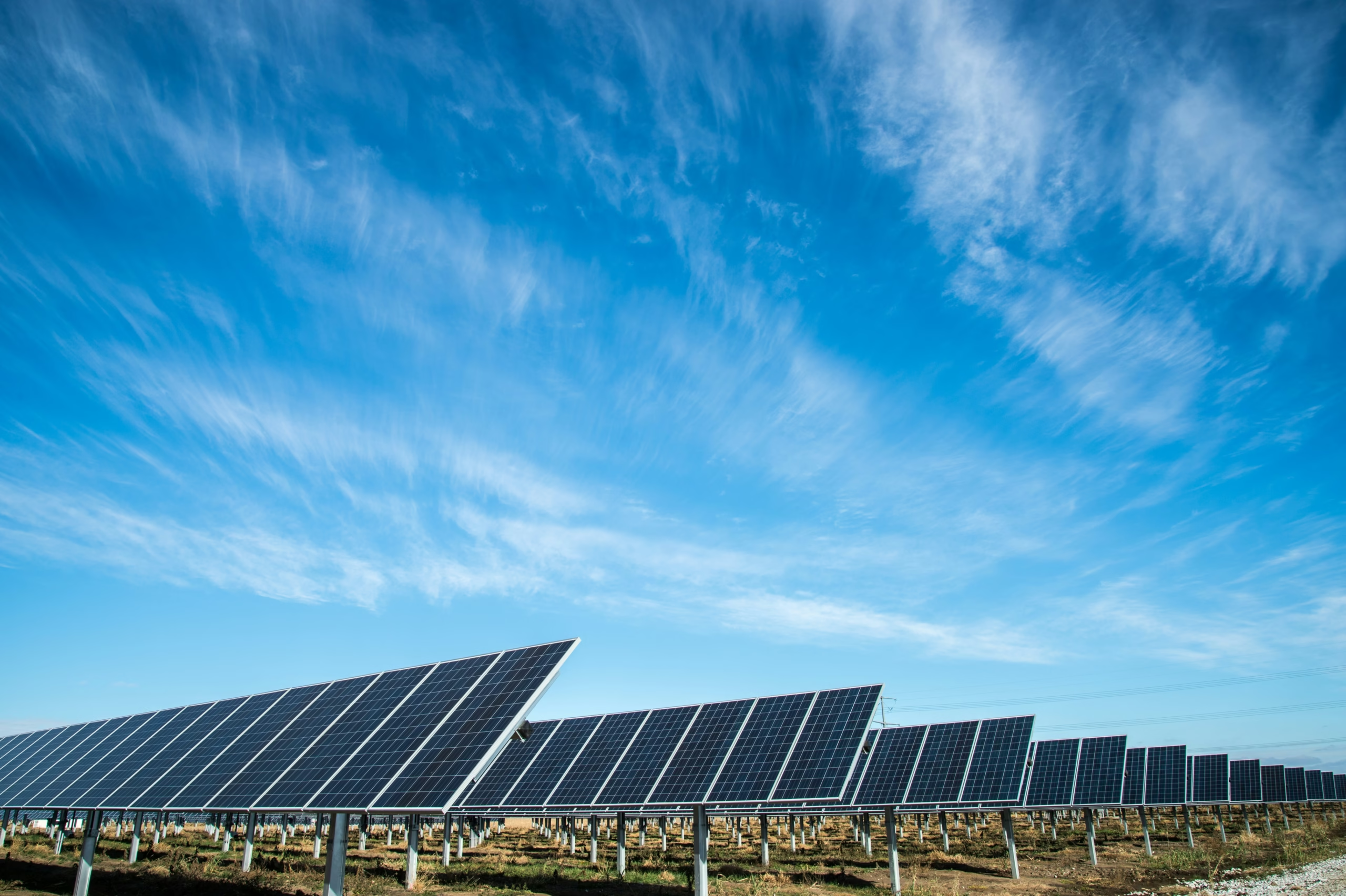
Solar energy is a renewable resource harnessed from the sun’s radiation through a range of technologies. It plays an increasingly important role in addressing the world’s growing energy demands while reducing reliance on fossil fuels. In agricultural engineering, solar energy has become a crucial tool for promoting sustainability, reducing costs, and enhancing productivity.
The primary technologies used to capture and convert solar energy include:
Photovoltaic (PV) cells – convert sunlight directly into electricity.
Solar thermal systems – use solar heat to produce steam or warm fluids.
Concentrated Solar Power (CSP) – use mirrors or lenses to focus sunlight for high-efficiency heat-based energy generation.
2. Applications of Solar Energy
2.1 Residential and Commercial Solar Electricity
PV panels installed on rooftops or open land convert solar radiation into electricity, offering:
- Lower utility bills
- Greater energy independence
- A reduction in carbon emissions
2.2 Solar Water Heating
Solar collectors absorb heat from the sun to warm water for domestic and agricultural use. Common applications include:
- Household bathing, cooking, and cleaning
- Washing livestock equipment or produce
2.3 Solar Cookers
Solar cookers harness sunlight to prepare meals without gas or electricity. Ideal for:
- Rural areas with limited fuel access
- Reducing deforestation and indoor air pollution
2.4 Solar Dryers
Used for drying agricultural produce (grains, vegetables, fruits), solar dryers:
- Reduce spoilage and post-harvest losses
- Provide low-cost preservation methods
2.5 Solar-Powered Irrigation
Solar pumps extract and distribute water for irrigation purposes:
- Improve access in off-grid regions
- Reduce operating costs vs. diesel pumps
2.6 CSP in Agriculture
Concentrated Solar Power plants supply thermal energy for large-scale farm operations such as:
- Water pumping
- Greenhouse heating
2.7 Transportation
- Solar-powered vehicles and solar charging stations are emerging technologies aimed at reducing transport-related emissions.
3. Understanding Heat Transfer in Solar Systems
Heat transfer refers to the movement of thermal energy through conduction, convection, and radiation. In solar energy systems, understanding each method is key to maximizing efficiency.
3.1 Conduction
- Definition: Transfer of heat through solid materials via direct molecular interaction.
- Example: Heat conducted from solar thermal absorber plates to the working fluid.
- Key factors:
- Temperature difference
- Thermal conductivity (e.g., copper > plastic)
- Thickness of materials
3.2 Convection
- Definition: Transfer of heat within fluids (liquids or gases) due to density differences.
- Types:
- Natural convection (e.g., water circulation in heaters)
- Forced convection (e.g., air fans in greenhouses)
- Agricultural applications:
- Solar dryers
- Greenhouse climate control
3.3 Radiation
- Definition: Transfer of energy via electromagnetic waves without a medium.
- Example: Sun’s rays traveling through space to Earth
- Solar spectrum includes:
- Visible light
- Infrared radiation (heat)
- Ultraviolet light
- Technology implications:
- PV cells absorb photons to generate electricity
- Surface coatings maximize absorption and minimize thermal loss
4. Heat Transfer in Agricultural Engineering
Efficient solar energy systems depend on the interplay of conduction, convection, and radiation:
- Conduction: Heat conduction is essential in the absorber plates of solar water heaters, greenhouses, and solar cooking surfaces. Materials with higher thermal conductivity, like aluminum or copper, are selected to maximize heat gain and transfer to fluids or air.
- Convection: In solar greenhouses, natural convection allows warm air to circulate and maintain optimal temperatures for crop growth. In solar dryers, both natural and forced convection improve drying efficiency and reduce microbial spoilage by controlling humidity and temperature.
- Radiation: The primary source of energy, radiation, is maximized by using dark-colored absorbers and selective coatings that enhance absorption and minimize re-radiation losses. Engineering designs also consider angular positioning and tilt to capture maximum solar irradiance.
In agriculture, precise control of heat transfer mechanisms enables:
- Energy-efficient greenhouse operations
- Faster drying of produce with minimal quality loss
- Controlled heating systems for livestock shelters or nurseries
Understanding and optimizing these processes is fundamental to designing resilient, climate-smart solar applications in agricultural environments.
5. Environmental Benefits of Solar Energy
Solar energy offers a wide range of environmental benefits that align with global sustainability goals:
5.1 Reduction in Greenhouse Gas Emissions
- Solar energy systems produce electricity without emitting carbon dioxide or other greenhouse gases.
- Every kilowatt-hour of solar energy used replaces energy from fossil fuels, reducing the carbon footprint of homes, industries, and agricultural operations.
5.2 Conservation of Water Resources
- Unlike thermal power plants, solar systems require minimal water for operation, making them ideal for water-scarce regions.
- This supports sustainable water management, especially in dryland farming.
5.3 Minimization of Air and Soil Pollution
- By replacing diesel generators and wood-fired equipment, solar energy reduces emissions of nitrogen oxides, sulfur dioxide, and particulate matter.
- Cleaner air and soil quality lead to healthier ecosystems and improved agricultural productivity.
5.4 Biodiversity Protection
- Reduced deforestation for firewood and less fossil fuel extraction contribute to habitat conservation and preservation of biodiversity.
5.5 Rural Sustainability
- Solar technologies can be deployed in remote areas with no access to grid electricity.
- This supports rural electrification, improves living standards, and promotes decentralization of energy.
5.6 Climate Change Mitigation
- Adoption of solar energy plays a crucial role in meeting global targets under the Paris Agreement.
- It strengthens climate-resilient infrastructure, especially in vulnerable agricultural sectors.
Did You Know
1 kW of solar power offsets approximately 1.5 tons of CO₂ emissions per year.
6. Future Trends and Innovations
6.1 Advanced Solar Cell Technologies
- Perovskite solar cells: These next-generation materials offer higher efficiency rates with lower material and manufacturing costs compared to traditional silicon.
- Bifacial PV panels: Able to generate electricity from both sides, increasing energy yield without occupying extra land.
6.2 Energy Storage
- Energy storage is the linchpin for continuous power delivery. While lithium-ion batteries dominate, research into flow batteries and solid-state alternatives aims to:
- Increase lifespan
- Enhance safety
- Reduce environmental impact
- In agriculture, battery storage ensures irrigation pumps and refrigeration work reliably even during non-sunny periods.
6.3 Smart Grids and IoT Integration
- Smart grids allow dynamic distribution of electricity, balancing load demand and generation in real-time.
- IoT-based sensors monitor energy production, battery status, and usage efficiency.
Applications in precision agriculture include:- Automated irrigation systems
- Remote monitoring of greenhouse climates
6.4 Policy and Incentives
- Programs like PM-KUSUM aim to solarize agriculture in India by subsidizing solar pumps and off-grid solar infrastructure.
- Net metering policies allow farmers to sell excess energy back to the grid.
Incentives reduce the payback period, making solar investments more appealing for small and marginal farmers.
7. Challenges and Limitations
Despite its many advantages, solar energy adoption faces several challenges:
7.1 High Initial Investment
- Solar panel installations, batteries, and related infrastructure require significant upfront capital.
- Although costs are falling, small farmers may still find it unaffordable without subsidies.
7.2 Weather Dependence
- Solar energy generation fluctuates with seasonal and weather changes.
- Overcast skies, monsoons, or dust accumulation on panels reduce system output.
7.3 Energy Storage Costs
- While batteries are improving, storage systems remain expensive and have a limited lifespan.
- This limits continuous energy availability in off-grid applications.
7.4 Space and Siting Requirements
- Large solar farms or CSP systems require significant land area.
- Land conflicts may arise in densely populated or agriculturally rich regions.
7.5 Technical Skill Gaps
- Operation and maintenance of solar systems require basic technical knowledge.
In rural areas, lack of trained personnel can lead to poor upkeep and lower system life.
Addressing these challenges requires a multi-pronged approach involving:
- Technological innovation
- Policy support
- Capacity building for users
8. Conclusion
Solar energy stands at the forefront of the global shift toward clean, renewable power. In the context of agriculture and rural development, its role is even more critical. By integrating solar-powered systems into irrigation, heating, cooking, and drying, we not only reduce environmental impact but also empower communities with sustainable and cost-effective solutions.
Mastery of heat transfer principles is essential for designing efficient solar systems. As technology evolves and support grows, solar energy will remain a cornerstone of sustainable agriculture and energy innovation.

Leave a Reply
You must be logged in to post a comment.