
।। जय श्री राम ।।
Introduction to the Dairy Industry in India
The dairy industry in India holds a pivotal role in the nation’s agricultural economy, emerging as one of the largest producers of milk globally. Historically, dairy farming has been an integral part of Indian culture, dating back centuries, but it was during the Green Revolution in the 1970s that formalized dairy development programs were initiated. Programmes such as Operation Flood, which aimed to create a nationwide milk grid, transformed India from a milk-deficient nation into the world’s largest milk producer by the late 1990s, a status that has been maintained into the present day.
Currently, India contributes to nearly 23% of the global milk production, with states like Uttar Pradesh, Rajasthan, and Maharashtra being the top milk-producing regions. The importance of the dairy industry transcends mere production figures as it is a fundamental component of the rural economy and livelihoods. A significant portion of India’s rural population engages in dairy farming, often as a source of supplementary income that enhances their economic resilience. This sector also plays a crucial role in providing nutritional security through the supply of milk and dairy products, which are rich sources of protein, calcium, and other essential nutrients.
Moreover, the dairy industry is not limited to traditional farming; it has seen progressive modernization with advancements in technology, leading to improved productivity and efficiency. The rise in cooperatives, exemplified by the success of the Amul brand, has further empowered small-scale farmers, enabling them to gain better access to markets. Given its vast significance, the dairy industry in India is not only a contributor to the agricultural GDP but also a vital instrument for social upliftment and economic development, making it an area of continued focus for policy-makers and stakeholders alike.
Current Production Statistics
Milk production and Per Capita Availability (PCA) of milk in India
Year Production | Production (Million tonnes) | Per Capita Availability (gms/day) |
|---|---|---|
1991-92 | 55.6 | 178 |
1992-93 | 58.0 | 182 |
1993-94 | 60.6 | 186 |
1994-95 | 63.8 | 192 |
1995-96 | 66.2 | 195 |
1996-97 | 69.1 | 200 |
1997-98 | 72.1 | 205 |
1998-99 | 75.4 | 210 |
1999-2000 | 78.3 | 214 |
2000-01 | 80.6 | 217 |
2001-02 | 84.4 | 222 |
2002-03 | 86.2 | 224 |
2003-04 | 88.1 | 225 |
2004-05 | 92.5 | 233 |
2005-06 | 97.1 | 241 |
2006-07 | 102.6 | 251 |
2007-08 | 107.9 | 260 |
2008-09 | 112.2 | 266 |
2009-10 | 116.4 | 273 |
2010-11 | 121.8 | 281 |
2011-12 | 127.9 | 289 |
2012-13 | 132.4 | 296 |
2013-14 | 137.7 | 303 |
2014-15 | 146.3 | 319 |
2015-16 | 155.5 | 333 |
2016-17 | 165.4 | 351 |
2017-18 | 176.3 | 370 |
2018-19 | 187.7 | 390 |
2019-20 | 198.4 | 406 |
2020-21 | 210.0 | 427 |
2021-22 | 222.1 | 446 |
2022-23 | 230.6 | 459 |
2024-25 | 239.3 | 471 |
Looking forward, India aims to reach a target of approximately 260 million metric tons by 2025, driven by sustained investments in dairy technology, infrastructure development, and improved animal husbandry practices. These efforts will be crucial in not only addressing food security but also in enhancing the livelihoods of millions associated with the dairy sector. The current statistics, combined with these ambitious goals, depict a resilient industry poised for further development.
Key Players in the Dairy Sector
The Indian dairy industry is characterized by a diverse range of stakeholders that contribute significantly to its growth and sustainability. Among the most prominent players are dairy cooperatives, private companies, and government organizations, each fulfilling vital roles throughout the supply chain—from production and processing to distribution and marketing of dairy products.
Dairy cooperatives such as Amul and Mother Dairy have been pivotal in transforming the Indian dairy landscape. These organizations are not only instrumental in collecting milk from rural producers but also play a crucial role in ensuring fair pricing and stable incomes for farmers. By implementing a cooperative model, these entities have fostered a sense of community among dairy farmers, enabling them to pool resources and achieve economies of scale. This cooperative structure has allowed for increased milk production and the establishment of a reliable distribution network that spans urban and rural areas alike.
On the other hand, private companies such as Britannia and Nestlé have emerged as significant players, bringing innovation and efficiency into the sector. These organizations often focus on value-added products like cheese, yogurt, and health supplements, tapping into changing consumer preferences and market demands. Their extensive distribution channels and marketing strategies have played a vital role in promoting dairy consumption in urban markets, effectively elevating the overall dairy sector’s profile in India.
Government organizations also play a crucial role in the dairy industry, with various programs aimed at enhancing milk production, providing training to farmers, and ensuring food safety standards are met. For instance, initiatives like the National Dairy Plan have helped in increasing productivity, while state-level schemes support local dairy development. Together, these stakeholders contribute to a robust framework that addresses the challenges faced by the dairy sector, thereby fostering growth and sustainability in an increasingly competitive landscape.
Technological Innovations in Dairy Farming
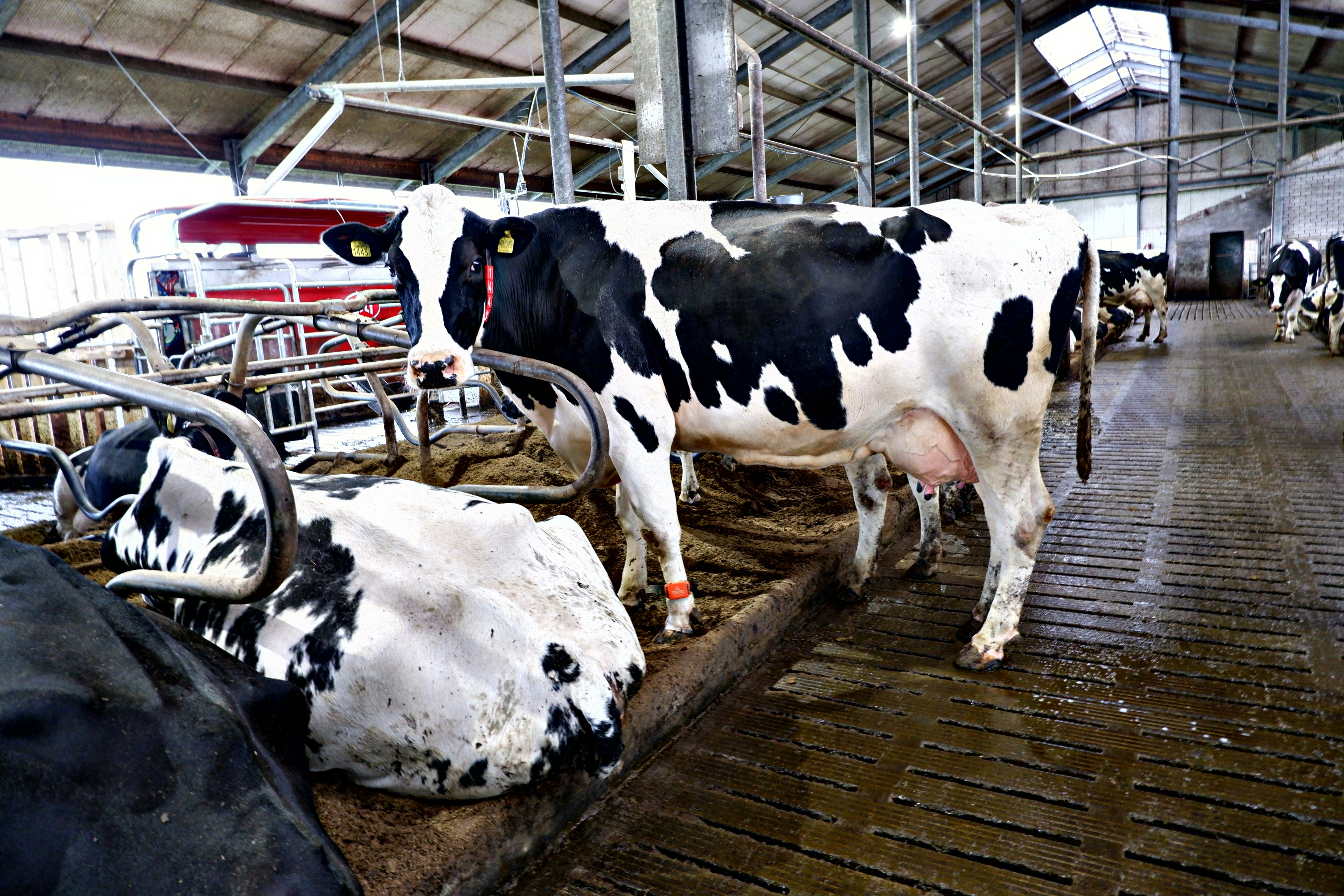
The dairy industry in India has been undergoing significant transformation due to advancements in technology. With the rising demand for milk and dairy products, producers are increasingly adopting innovative solutions to enhance productivity and efficiency. Milking technology has witnessed notable improvements, transitioning from traditional hand milking to automated systems. Automatic milking systems facilitate efficient and hygienic milking processes, significantly reducing labor costs and improving milk quality. The incorporation of such advanced machinery not only enhances productivity but also ensures better health outcomes for the cattle.
Furthermore, advancements in feed quality enhancement techniques have bolstered the nutritional aspects of dairy farming. Nutritional management is crucial, as it directly influences milk yield and overall herd health. Innovations such as precision feeding, which tailors feed composition based on individual animal needs, are gaining traction. This method allows farmers to optimize feed usage and improve dairy cattle performance, thereby increasing the overall efficiency of dairy production.
The management of dairy farms has also been revolutionized through the use of specialized software. Dairy farming management software provides an integrated approach to monitor various aspects of farm operations, from tracking milk production to managing breeding schedules. Such digital platforms assist farmers in making informed decisions by analyzing data trends, which ultimately leads to improved operational efficiency and higher profitability.
Additionally, the implementation of artificial intelligence (AI) technologies in livestock health monitoring is proving to be a game-changer. AI-powered tools can analyze data collected through sensors to detect diseases early, monitor reproductive health, and assess overall wellbeing. By harnessing these technological innovations, dairy farmers in India can enhance productivity while ensuring the welfare of their livestock. The adoption of these technologies reflects the dairy industry’s adaptation to the challenges and demands of a modernizing agricultural landscape.
Challenges Facing the Dairy Industry
The dairy industry in India is currently facing a myriad of challenges that threaten its potential for growth and sustainability. One of the foremost issues is the fluctuation of milk prices, which can severely impact the income of dairy farmers. Prices often vary due to seasonal demand and supply imbalances, forcing farmers to navigate uncertain financial landscapes. This unpredictability can discourage investment in dairy production and affect the overall quality of milk provided in the market.
Another significant challenge is climate change. The impact of rising temperatures, altered rainfall patterns, and extreme weather events can adversely affect dairy farming. Heat stress is particularly harmful to dairy cattle, leading to decreased milk yields and increased vulnerability to diseases. Farmers often find themselves unprepared for such changes, making it essential to adopt adaptive strategies to mitigate these climate-related risks.
Quality control presents its own set of challenges. Maintaining the hygiene and nutritional quality of milk in a country with a vast and diverse customer base demands rigorous quality assurance measures. However, many small-scale dairy farmers lack access to adequate resources and knowledge, leading to issues such as contamination and poor handling practices. Ensuring that milk adheres to safety standards is crucial for consumer trust and the reputation of the dairy sector. Moreover, disease management poses a significant hurdle; outbreaks of diseases like foot-and-mouth disease can devastate herds, highlighting the need for efficient veterinary services and disease surveillance systems.
Lastly, the policies affecting small farmers can either alleviate or exacerbate their struggles. While some initiatives aim to bolster their livelihoods, bureaucratic hurdles and complexities in accessing government schemes often hinder their effectiveness. Addressing these key challenges is vital for ensuring a resilient and progressive dairy industry in India.
Sustainability Practices in Dairy Farming
The dairy industry in India is increasingly embracing sustainability practices to address the pressing environmental and social challenges associated with traditional farming methods. A significant aspect of enhancing sustainability involves the integration of eco-friendly strategies that minimize the sector’s carbon footprint while promoting animal welfare and socio-economic wellbeing. Innovative initiatives are being implemented across various farms, showcasing a commitment to sustainable dairy farming.
One of the primary sustainability practices is the adoption of efficient feeding strategies aimed at optimizing the dairy herd’s nutrition. By using scientifically formulated diets that maximize feed efficiency, dairy farmers can reduce methane emissions from enteric fermentation in cows, a leading contributor to greenhouse gases. Moreover, many dairy operations are now implementing rotational grazing and pasture management techniques, which promote soil health and carbon sequestration while simultaneously providing cows with a more natural living environment.
Animal welfare is crucial in the pursuit of sustainability. Many dairy farms in India are increasingly adopting humane practices that ensure animals are treated with dignity and respect. This includes providing adequate space for movement, access to clean water, and proper healthcare. Enhanced welfare not only improves the quality of life for dairy cows but also leads to increased productivity, reflecting a symbiotic relationship between animal care and farming success.
Furthermore, community-based approaches play an essential role in promoting sustainability in the dairy sector. Cooperatives and farmer organizations are founded to empower local farmers by providing access to resources, training, and market support. These initiatives help to foster a sense of community while simultaneously ensuring that sustainable practices are disseminated among farmers, leading to collective improvements in production methods and environmental stewardship.
In summary, the integration of sustainable practices in dairy farming is crucial for addressing environmental challenges and enhancing animal welfare, contributing positively to both the industry and local communities. By prioritizing sustainability, India’s dairy sector can evolve while meeting the needs of the present and future generations.
Government Initiatives and Policies
The Indian government has implemented a range of initiatives and policies that significantly impact the dairy industry. These programs are designed to enhance production capabilities, improve existing infrastructure, and provide substantial support to farmers engaged in dairy farming. One prominent initiative is the National Dairy Plan (NDP), which aims to increase milk production, augment rural incomes, and provide high-quality dairy products. The plan emphasizes sustainable development while addressing issues related to dairy supply chains, including marketing and processing.
Another important policy is the Dairy Processing and Infrastructure Development Fund (DIDF), which was established to support the processing, manufacturing, and quality improvement of milk and milk products. With funding provisions in place, this initiative not only boosts infrastructure but also ensures better technological advancements in the production processes. These funding mechanisms play a crucial role in modernizing the dairy industry and enhancing milk yield per cow, which is vital for meeting the growing domestic demand.
Additionally, the government has introduced various subsidy schemes aimed at lowering the financial burden on dairy farmers. These subsidies can cover aspects such as fodder production, breeding stock improvement, and veterinary services. By providing financial incentives, the government encourages farmers to adopt better practices in dairy management. The support extends to cooperative societies, enabling them to strengthen their operational efficiencies and ensure that farmers receive fair prices for their produce.
Moreover, the government promotes farmer education through various training programs focusing on dairy farming techniques, animal health management, and cooperative governance. As these initiatives and policies evolve, they aim to address the ongoing challenges within the dairy industry and work towards sustainable growth, ultimately benefiting millions of farmers and consumers across the country.
Consumer Trends and Market Dynamics
The dairy industry in India is currently experiencing a substantial transformation driven by evolving consumer preferences and market dynamics. With a rising awareness of health and wellness among consumers, there has been an increasing demand for organic dairy products. These products, which are produced without synthetic fertilizers and pesticides, are appealing to a segment of the population that is increasingly health-conscious and willing to pay a premium for quality. The shift towards organic options reflects a broader consumer trend where purchasing decisions are greatly influenced by ingredient integrity and sustainability practices.
In addition to organic offerings, consumers are gravitating towards dairy products that align with specific health goals. This includes low-fat, lactose-free, and fortified dairy items aimed at providing additional nutritional benefits. As health situations such as lactose intolerance become more widely recognized, producers are adjusting their product lines to cater to these needs, often including innovative options that appeal to diverse dietary requirements. This market adaptation signifies a growing recognition of the importance of aligning product development with consumer health trends.
Moreover, the rapid urbanization of India has led to a significant shift in dairy consumption patterns. Urban consumers are increasingly seeking convenience and quality, leading to a surge in demand for processed and packaged dairy products. This trend towards modernization presents both opportunities and challenges for dairy producers. While there is potential for growth in urban markets, producers must navigate supply chain complexities and ensure product consistency amidst diverse consumer expectations. The capacity to adapt to these changing dynamics will be crucial for stakeholders in the dairy industry to thrive in an increasingly competitive landscape.
Future Outlook of the Dairy Industry
The dairy industry in India is poised for transformation over the coming years, driven by various factors that suggest both opportunities and challenges. As one of the largest producers of milk globally, India’s dairy landscape is witnessing substantial growth potential, particularly in urban regions where the demand for quality dairy products is on the rise. This burgeoning market is expected to foster innovation, prompting producers to adopt advanced technologies to enhance productivity and efficiency.
Technological disruptions play a pivotal role in shaping the industry’s future. With the increasing penetration of digital solutions, automation, and data analytics, dairy farms can achieve higher operational efficiency. These innovations facilitate better herd management, animal health monitoring, and feed optimization, thereby boosting overall milk output. Furthermore, the integration of IoT devices allows for real-time tracking of dairy processes, ensuring quality and compliance with health standards.
Globalization presents both an opportunity and a challenge for the Indian dairy sector. While it opens avenues for exports and international collaboration, it also intensifies competition from dairy-producing nations with established brands. To face this competition head-on, Indian dairy producers must embrace strategies like enhancing product quality, diversifying product lines, and adopting sustainable practices that resonate with global consumers’ preferences for environmentally friendly products.
As the dairy industry navigates these evolving landscapes, it is crucial for stakeholders, from dairy farmers to policymakers, to focus on research and development. By investing in innovative practices and infrastructure, the industry can position itself to harness the opportunities presented by changing consumer behaviors and advances in technology. Overall, a proactive approach will be essential for the dairy sector in India to not only sustain its competitive edge but also to contribute effectively to the nation’s economy in the future.

Leave a Reply
You must be logged in to post a comment.